Low Libido

What is Low Libido?

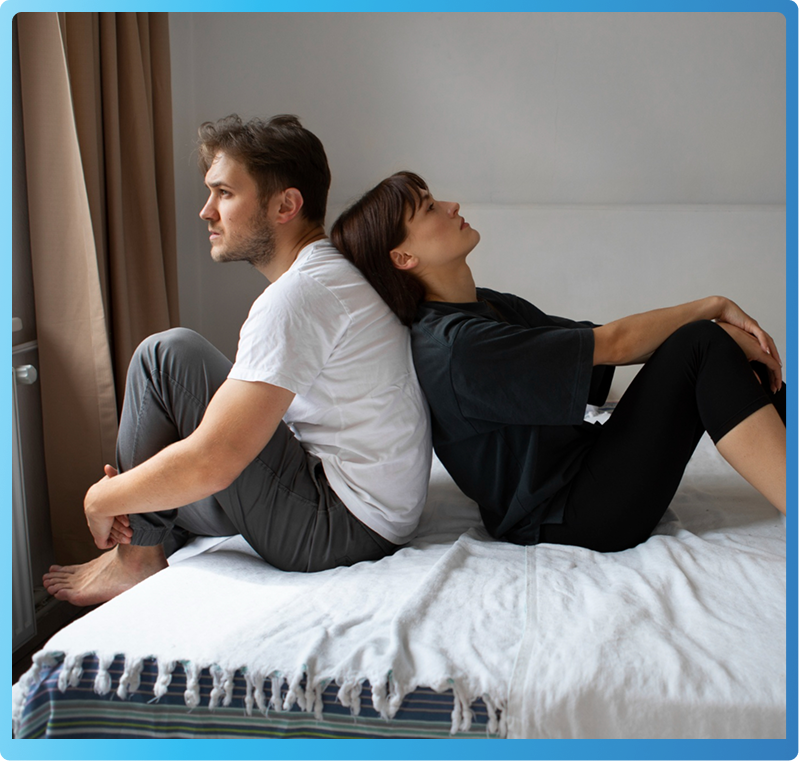
Low libido refers to a decrease in sexual desire, interest, or drive, either suddenly or gradually over time. It can affect men and women, at any age. While it’s common to experience fluctuations in desire due to stress or life changes, persistent low libido can feel confusing, frustrating, or even isolating — especially when it affects confidence, intimacy, or connection with a partner.


Low libido is not a personal flaw and it is not something you have to “push through.” Desire is influenced by hormones, stress levels, nervous system regulation, relationship dynamics, emotional energy, and physical health. When something is out of balance in any of those systems, sexual desire naturally shifts.


At First Call DPC, we approach low libido with respect and clarity — because your sexual well-being is an important part of your overall physical, emotional, and relational health. And with the right evaluation and support, desire can return.

What Causes Low Libido?

Low libido is rarely caused by just one factor. Instead, it usually results from a combination of physiological, emotional, lifestyle, and hormonal influences, such as:

Hormonal Changes

Low testosterone (common in men and women)

Estrogen/progesterone decline in perimenopause & menopause

Thyroid dysfunction

Elevated cortisol (stress hormone) disrupting sexual arousal pathways

Stress & Emotional Factors

Chronic stress

Burnout or emotional overwhelm

Anxiety or depressive patterns

Relationship or communication strain

Exhaustion from work, parenting, or caregiving

Lifestyle Contributors

Poor sleep

Sedentary routine

Excess alcohol use

Nutrient deficiencies that affect hormone synthesis

Medical Considerations

Chronic pain or inflammation

Illness or fatigue syndromes

Certain medications (SSRIs, blood pressure meds, hormonal birth control)

Low libido is your body’s way of saying: “Something here needs support.”

And that means your body is working — not failing.

What Symptoms Will I Experience With Low Libido?

Low libido often shows up in ways that affect both emotional and physical well-being:

Emotional or Cognitive Signs

Feeling detached from intimacy

Reduced sexual interest even when mentally connected

Feeling “indifferent” about sex

Feeling overwhelmed or uninterested in closeness

Physical Signs

Fewer spontaneous feelings of attraction or desire

Reduced arousal response

Fewer morning erections (for men)

Vaginal dryness or lowered sensitivity (for women)

Longer time needed to feel mentally or physically ready for intimacy

Difficulty reaching orgasm

Relational Signs

Feeling distant from a partner

Avoiding intimacy due to discomfort or frustration

Difficulty completing daily tasks

Many people describe low libido as:

  • “I still care about my partner — I just don’t feel present.”
  • “I used to have desire. Now it feels like it’s gone.”
  • “I want to want intimacy again.”

These are valid experiences — and they deserve supportive care.

What Should I Try at Home Before Seeing a Provider for Low Libido?

Small changes can help begin rebalancing desire:

Prioritize Rest & Sleep

Fatigue is one of the biggest suppressors of sexual desire.

Reduce Stress Load in Small, Achievable Ways

Even 10 minutes of quiet, deep breathing, stretching, or walking helps calm the nervous system.

Increase Movement

Exercise improves circulation, hormone signaling, and emotional energy.

Communicate With Your Partner

Understanding, reassurance, and emotional safety can help soften pressure and reconnect intimacy.

Reduce Excess Alcohol

Alcohol can reduce sensitivity and hormonal balance.

If you’ve already tried these and still feel disconnected from desire — that’s a sign your hormones, metabolism, stress response, or nervous system need clinical support, not more self-pressure.

Best Treatment Options for Low Libido

At First Call DPC, treatment is tailored to you, not a template. We address the root cause, which often means supporting multiple systems at once.

Your treatment plan may include:

Hormone Optimization (Men & Women)

Balancing testosterone, estrogen, progesterone, thyroid function, and cortisol patterns can dramatically improve desire and emotional presence.

Peptide Therapy for Mood & Sexual Response

Certain peptides enhance sensitivity, nerve signaling, nitric oxide production, emotional connection, and sexual arousal pathways.a

Stress & Nervous System Recovery

We help shift the body out of survival mode — because you cannot access desire when your body feels unsafe or overloaded.

Blood Flow & Pelvic Health Support

For both men and women, improving pelvic circulation improves physical response and pleasure.

Medication Support (When Appropriate)

For men, ED medications may be helpful when paired with root-cause treatment.
For women, vaginal estrogen, arousal creams, or targeted therapies may increase comfort and sensitivity.
Our goal is **not just restoring sexual function — but restoring sexual connection, confidence, and fulfillment.

Our Process for Treating Low Libido

Private, Supportive Conversation

We start by listening — without judgment, pressure, or assumptions.

Comprehensive Lab & Hormone Testing

We evaluate hormone balance, thyroid function, inflammation, gut health, stress hormones, nutrient levels, and metabolic markers.

Clear, Compassionate Interpretation

We explain what’s happening in your body — and why desire has shifted.

Personalized Treatment Plan

We tailor care to your biology, lifestyle, relationship dynamics, and comfort level.

Ongoing Direct Support

You stay connected to your provider — so your progress feels supported, guided, and safe.

At First Call DPC, restoring libido begins with restoring you — your presence, your energy, your sense of self, your connection to your body. When you’re ready to feel connected, confident, and fully yourself again —

we’re your first call.